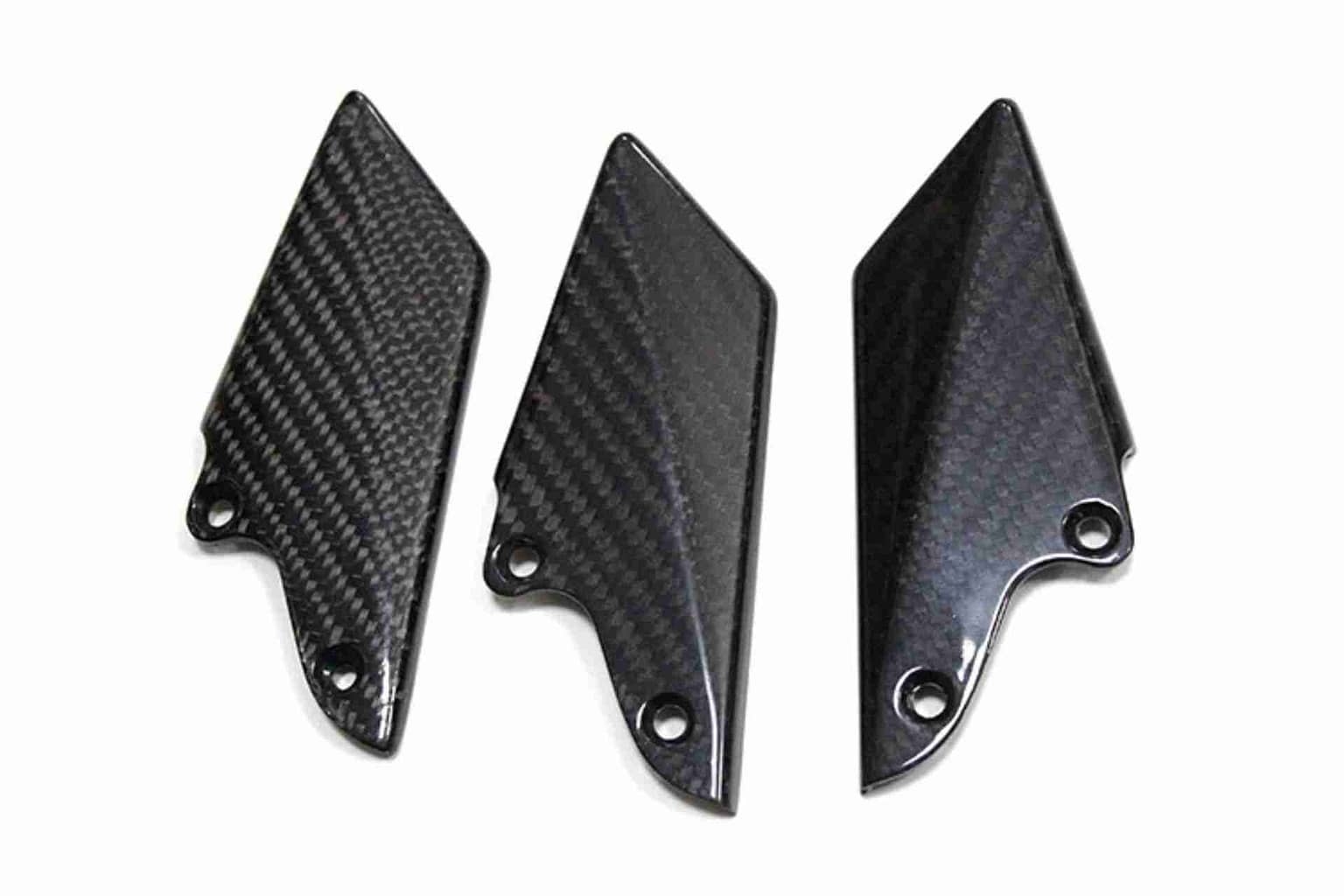
Interested in reinforced sections for localized strength carbon fiber sculling riggers crafted for precise blade control?
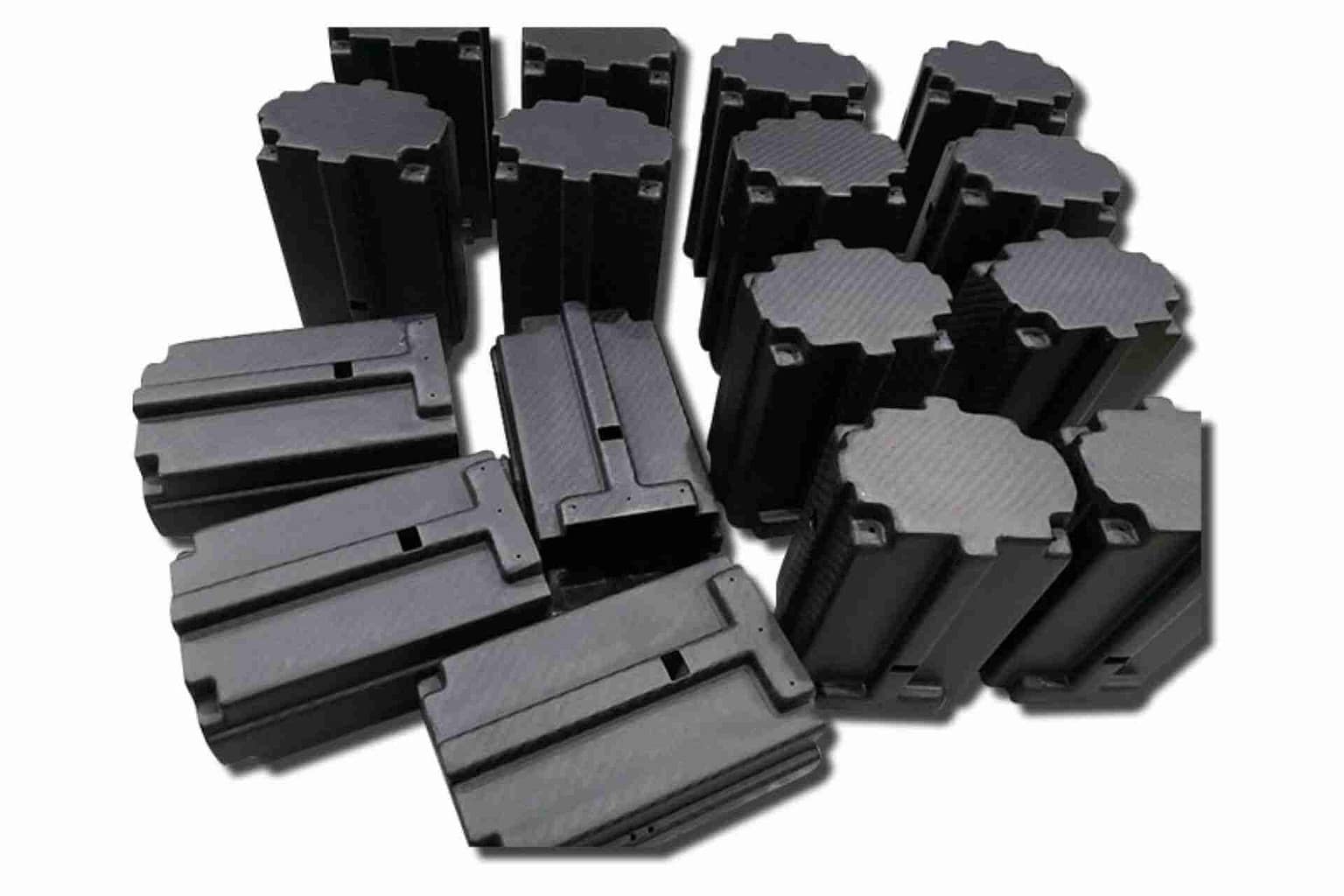
These composite tubes deliver a premium strength-to-mass balance, suited to rigorous uses where longevity and weight savings matter
Made from woven or aligned carbon filaments set within a resin matrix, these tubes create a stiff composite structure
Meticulously aligned carbon fibers supply superior tensile strength and high stiffness, while lightweight resin lowers total mass
The unique pairing of high strength and low weight empowers development of structural designs that are both durable and lightweight
High-performance carbon fiber tubes find roles in aerospace, automotive, sports technology and medical device manufacturing
Carbon fiber tubing in aviation supports lighter fuselage and wing designs, contributing to better fuel efficiency and aerodynamic performance
Automotive use includes suspension elements and chassis stiffeners made from carbon fiber tubes to improve handling and decrease vehicle mass
Square-profile carbon fiber tubes crafted for consistent strength and assembly accuracy
For projects prioritizing lightweight design combined with structural reliability, carbon fiber square-section tubes offer a superior option
Precision fabrication produces square tubes with strong mechanics and versatile integration across different design requirements
By bonding engineered carbon fiber patterns with resin, these square tubes become resistant to both compression and tensile stress
Because of their inherent stiffness, square carbon fiber tubes are well-suited for tasks that demand strong structural integrity
Applied to aerospace, automotive chassis, and performance sport equipment, these square tubes deliver reliable behavior under severe loads
Low mass characteristics further improve fuel economy and boost system-level efficiency
- Also, high dimensional precision supports seamless assembly integration and lowers rework and modification requirements
- Consequently, square carbon fiber tubes have become a foundational material for industries pursuing innovation and high efficiency
Tailored rectangular carbon fiber tubing for optimized mechanical performance
The material’s top strength-to-weight ratio and stiffness make carbon fiber well-suited for strenuous engineering uses
In particular, rectangular and prismatic carbon fiber tubes achieve outstanding results due to their optimized geometries
These tubes are custom-engineerable to exact needs, delivering targeted structural integrity and load performance
For aerospace components, sporting gear or industrial applications, suppliers can deliver precisely engineered rectangular carbon fiber tubes
This capability supports innovative engineering that increases performance while improving functional outcomes
Structural carbon fiber plates combining stiffness with high impact resistance
Renowned stiffness of carbon fiber plates fits them to tasks needing high load support
Produced from carbon fiber reinforcements in a structural resin matrix, plates offer high resistance to bending and deformation
The toughness and impact resistance of these plates come from the fibers’ capability to endure and dissipate impact energy
Cutting-edge composite systems: carbon fiber tubes paired with plates for advanced performance
Carbon fiber plates and tubes are selected in advanced materials engineering for their remarkable mechanical traits and lightness
Suitable for a broad range of industries, these lightweight yet strong composites are used in aerospace, automotive, sports and consumer-specialized products
They can be fabricated into complex shapes while retaining high stiffness and durability, aiding broad design freedom
Production technology advances have made these composites more economical and scalable for diverse industries
Selecting carbon fiber tubes and plates can produce lighter, stronger structures compared to many conventional material choices
The materials’ resistance to environmental degradation and fatigue increases longevity and dependable performance under stress
The unique performance of carbon fiber composites advances material science and shapes emerging engineering solutions
Investigating real-world uses and implementations of carbon fiber tubes and plates
These robust composite materials have acquired significant recognition and use across a wide range of sectors
Because of their strength-to-mass efficiency and mechanical properties, these composites serve in numerous applications
The aerospace, automotive and construction industries commonly utilize these materials for strong, lasting structural components
Sports applications include bicycle structures, golf clubs and racquets where stiffness and lightness enhance athletic performance
Furthermore these composites are gaining traction in medical fields for prosthetics, surgical tools and assistive devices
Carbon fiber solutions for lightweighting: tubes, plates and beyond
By employing carbon fiber tubes and plates, engineers cut weight substantially without sacrificing structural integrity
Tubes are commonly used where high stiffness and low mass are priorities, for example bicycle frames and wind turbine blades
Carbon fiber plates are applied in aircraft and spacecraft elements to deliver high stiffness and reliable structural performance
Scientific progress unleashing broader potential of carbon fiber materials
Carbon fiber stands as a material breakthrough renowned for exceptional strength and toughness
Its remarkable performance derives from thin fibers embedded in a polymer matrix, creating a blend of lightness and strength
Carbon fiber deployment rises in aerospace and automotive thanks to clear benefits in fuel efficiency and performance from lighter structures
Vehicle manufacturers use carbon fiber in structural parts to lower weight while increasing strength, improving handling and occupant safety
The versatility of carbon fiber spans aerospace and automotive structures and many other fields
Through excellent strength-to-weight properties, carbon fiber composites have transformed aerospace and automotive design
The lightness of carbon fiber helps produce fuel-efficient, high-performance and durable vehicles and aircraft
In cars, carbon fiber is often found in body panels, chassis parts and structural elements to decrease weight and enhance performance
The evolution of carbon fiber tubes and plates is reshaping engineering horizons
These materials have revolutionized industries through their exceptional strength-per-weight performance
Carbon fiber’s lightweight robustness makes it applicable in critical performance areas including aerospace, automotive and medical uses
In aircraft applications, carbon fiber parts help reduce fuel needs and enhance aerodynamics
Automotive integration yields lighter vehicles with improved acceleration, handling and fuel or energy efficiency
- Effective use depends on understanding the material’s behavior, manufacturing limits and design trade-offs Successful implementation requires knowledge of carbon fiber behavior, fabrication carbon fiber sculling riggers methods and necessary design compromises Successful implementation requires knowledge of carbon fiber behavior, fabrication methods and necessary design compromises Successful implementation requires knowledge of carbon fiber behavior, fabrication methods and necessary design compromises
- Growing research and deployment point to a promising future for carbon fiber components
- Further research and innovation will enhance characteristics and expand where these materials can be applied
- So, carbon fiber materials are likely to be pivotal in shaping future engineering and manufacturing trends
Step-by-step guide to achieving peak results with carbon fiber components
Carbon fiber’s exceptional strength-to-weight and stiffness make it a premier choice for enhancing performance across sectors
This resource examines carbon fiber characteristics, common applications and practical steps for successful integration
The material’s versatility boosts performance in areas such as automotive, aerospace, sports and electronics
To maximize benefits, designers must understand carbon fiber mechanics, manufacturing restrictions and the trade-offs involved
A deep dive into the material properties that make carbon fiber so unique.A comprehensive look at its exceptional strength-to-weight ratio and stiffness.